
What Is Self Assessment (UK)?
Self Assessment is the system HM Revenue & Customs (HMRC) uses to collect Income Tax on income that is not taxed automatically. In the UK, most employees pay tax through the Pay As You Earn (PAYE) system. As a result, tax is deducted from wages or pensions before payment.
This self assessment checklist UK helps you prepare all documents before filing.
However, not all income is taxed this way. If you earn money from self-employment, rental property, investments, or other untaxed sources, you must declare it yourself. This is done by submitting a Self Assessment tax return. In other words, Self Assessment means reporting your income and expenses so HMRC can calculate how much tax you owe.
For many taxpayers, this process can feel complex. Therefore, many individuals choose Sepera Accounting to manage their Self Assessment professionally. This allows them to focus on their work or business while their tax obligations are handled correctly.
Why Does Self Assessment Matter?
Self Assessment ensures that HMRC has a complete picture of your income. If you receive untaxed income and fail to submit a required return, HMRC may not know your true earnings. Consequently, you risk underpaying tax. This can lead to interest charges and financial penalties for late filing or late payment.
By completing a Self Assessment return, you make sure you pay the correct amount of Income Tax and National Insurance. Most importantly, it prevents unexpected tax bills and compliance issues later. Self Assessment acts as a catch-all system for income not covered by payroll deductions.
At Sepera Accounting, we support clients throughout this process. As a result, they avoid common HMRC errors and gain peace of mind that their return is accurate and compliant.

Record Keeping for Self Assessment
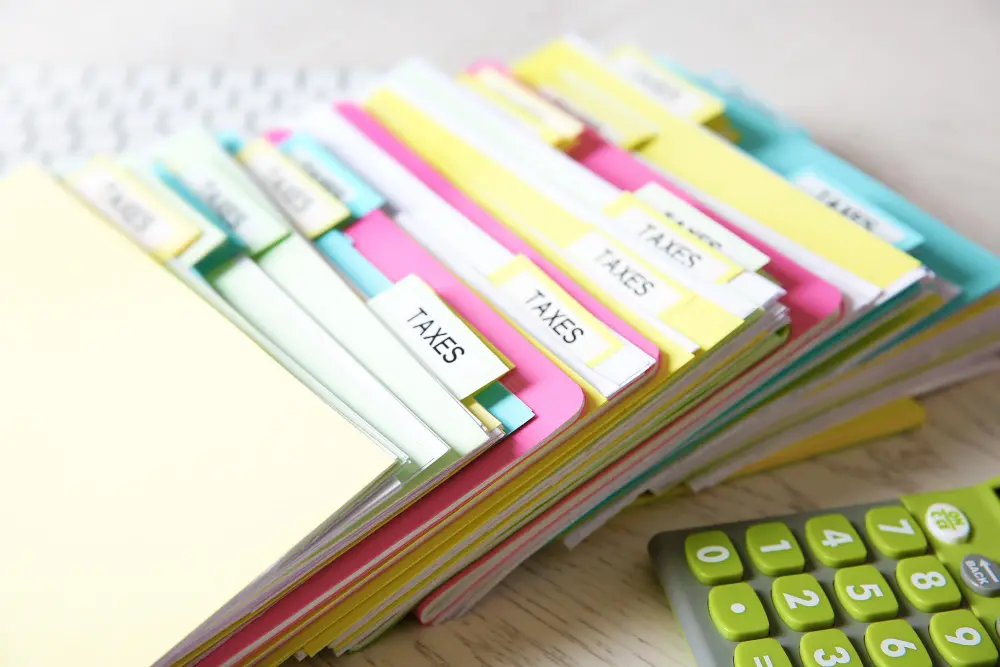
Good record keeping is a core part of Self Assessment. You should track invoices, receipts, bank statements, and payslips throughout the tax year. This applies to both individuals and business owners.
Keeping organised records is also a legal requirement. HMRC may ask for evidence to support the figures in your tax return. Therefore, a simple spreadsheet or accounting software can make the process much easier.
Many clients work with Sepera Accounting to set up reliable record-keeping from the start. As a result, filing becomes faster and far less stressful.
Accurate records reduce mistakes and help if HMRC requests clarification. In general, keep records for at least five years after the 31 January deadline or 22 months after the tax year if you are not in business.
Self Assessment Checklist UK: What You Need to Know Before Filing Your Tax Return
What Self Assessment Is
Self Assessment is HMRC’s system for collecting Income Tax on income that is not taxed at source. This includes income from self-employment, rental property, and certain investments. Therefore, if you receive untaxed income, you will usually need to file a Self Assessment tax return.
Who Must File a Self Assessment Tax Return
Not everyone needs to submit a Self Assessment return. However, filing is required if you earn over £1,000 from self-employment, run a business partnership, receive rental or investment income, or owe Capital Gains Tax. It also applies if the High Income Child Benefit Charge affects you. To clarify, HMRC provides an online tool to confirm whether you must file.
Self Assessment Deadlines You Must Not Miss
Firstly, you must register for Self Assessment by 5 October if you are new to the system. Secondly, paper tax returns must be submitted by 31 October. Online tax returns are due by 31 January. Most importantly, any tax owed must also be paid by 31 January. In addition, a second payment on account may be due by 31 July. Missing these deadlines can result in penalties and interest. Check the official Self Assessment deadlines on GOV.UK
Documents You Need to Prepare for Self Assessment
Online vs Paper Self Assessment Filing
In most cases, online filing is the best option. It is faster, includes automatic tax calculations, and allows a later submission deadline. Paper filing is still possible. However, it requires earlier submission and does not provide an instant tax calculation.
Common Self Assessment Mistakes to Avoid
Following this self assessment checklist UK reduces errors and penalties. Accuracy matters. Common mistakes include missing income, claiming non-allowable expenses, or filing late. Some taxpayers also forget to sign or properly submit their return. Therefore, always review your entries carefully and keep evidence for all figures you declare.
Where to Get Help With Self Assessment
You are not alone. HMRC provides official guidance, videos, and a dedicated Self Assessment helpline. In addition, professional accountants can manage the entire process for you. This self assessment checklist UK is designed for UK taxpayers. If you feel unsure at any stage, it is always better to seek support than risk penalties or errors. Contact Sepera Accounting.

Who Needs to File a Self Assessment Tax Return?
Not everyone in the UK needs to file a Self Assessment tax return. However, it is required for certain individuals if specific conditions apply. You must usually send a tax return if, during the last tax year from 6 April to 5 April, any of the following situations applied to you. This self assessment checklist UK is useful even if you are unsure you must file.
Self-Employed Individuals
You must file a Self Assessment tax return if you were self-employed as a sole trader and earned more than £1,000 before deducting any allowable expenses. This includes freelance work, gig economy income, and side businesses. Even if your final profit was low or you made a loss, you still need to file if your total income exceeded £1,000.
Business Partners
If you were a partner in a business partnership during the tax year, you are required to file your own Self Assessment tax return. Each partner reports their share of income separately, even if the partnership also submits its own return.
Capital Gains Tax Cases
You need to file a tax return if you sold or disposed of assets and had Capital Gains Tax to pay. This may include selling a second property, shares, or other chargeable assets. A Self Assessment return is required to declare the gain and settle the tax due.
High Income Child Benefit Charge
You must file a Self Assessment return if your income exceeded £50,000 and you or your household received Child Benefit. In this case, the High Income Child Benefit Charge may apply. If this charge is not already collected through your PAYE tax code, filing a tax return is required to calculate and pay it correctly.
Other Untaxed Income
Self Assessment is also required if you received other untaxed income. This may include rental income, tips or commission, savings interest above tax-free allowances, dividends, foreign income, or any earnings where the correct tax has not been paid. Even if each source seems small on its own, multiple income streams often trigger a filing requirement.
At Sepera Accounting, we regularly help clients assess whether their income requires a Self Assessment return. This early clarification helps avoid penalties and unnecessary filings.

When Filing a Self Assessment Is Optional
In some cases, you may choose to file a Self Assessment tax return even if it is not strictly required. This often applies if you want to claim tax reliefs, such as higher-rate pension tax relief or business loss relief. Filing can also provide official proof of income if you need to claim Maternity Allowance or tax-free childcare.
In addition, self-employed individuals may use a Self Assessment return to pay voluntary Class 2 National Insurance contributions. This can help protect entitlement to the State Pension and other benefits.
Not Sure If You Need to File?
If you are unsure whether you must submit a Self Assessment tax return, HMRC provides an official online checker. This tool asks about your income sources and personal circumstances. It then confirms whether filing is required. The check is confidential and does not send your answers to HMRC. Use HMRC’s online tool to check if you need to send a tax return.
If there is any uncertainty, it is wise to confirm your position early. Failing to file when required can lead to penalties and interest. On the other hand, filing unnecessarily can create avoidable administrative work. Many individuals choose to consult Sepera Accounting at this stage to receive clear and reliable guidance.
What If HMRC Asks You to File?
If HMRC explicitly asks you to send a Self Assessment tax return, you must do so. This applies even if you believe you do not meet the standard criteria. HMRC may request a return to review your tax position or because you filed in a previous year.
In these cases, you should either complete the return or contact HMRC to explain your circumstances. At Sepera Accounting, we can assist with HMRC correspondence and ensure the correct response is submitted.
What Are the Key Self Assessment Deadlines in the UK?
The Self Assessment process follows the UK tax year and includes several important deadlines. Missing any of them can result in penalties or interest. Therefore, it is essential to understand the timeline clearly.
End of the UK Tax Year
The UK tax year runs from 6 April to the following 5 April. Each Self Assessment tax return covers income earned during this period. For example, the 2024/25 tax year runs from 6 April 2024 to 5 April 2025. The tax return for this year is filed in the 2025/26 filing cycle.
5 October – Self Assessment Registration Deadline
If you have never filed a Self Assessment tax return before, or did not file one last year, you must register with HMRC by 5 October following the end of the tax year. Registration allows HMRC to issue your Unique Taxpayer Reference (UTR) and set up your online account.
Failing to register on time can lead to penalties and delays. At Sepera Accounting, we often help clients register early to avoid unnecessary issues later in the process.
31 October – Paper Tax Return Deadline
If you choose to file a paper Self Assessment tax return, HMRC must receive it by 31 October. This deadline is three months earlier than the online filing deadline. Late paper submissions automatically trigger a £100 penalty.
In addition, paper returns do not provide an instant tax calculation. HMRC processes them manually and sends your tax bill later. For this reason, many taxpayers prefer to file online.
30 December – Optional PAYE Coding Deadline
If you owe less than £3,000 in tax and receive income through PAYE, you may ask HMRC to collect the tax through your tax code. To use this option, you must submit your online tax return by 30 December.
This deadline is optional and does not apply to most taxpayers. If you miss it, you simply pay the tax due by 31 January instead.
31 January – Online Filing and Tax Payment Deadline
31 January is the most important Self Assessment deadline. By midnight on this date, you must submit your online tax return and pay any tax owed for the previous tax year.
Missing this deadline results in an automatic £100 late filing penalty, even if no tax is due or you are owed a refund. Interest and further penalties then apply to unpaid tax. As a result, many clients rely on Sepera Accounting to manage filing and payment deadlines correctly. This self assessment checklist UK keeps deadlines and payments clear.
31 July – Second Payment on Account
If your previous Self Assessment tax bill exceeded £1,000 and most tax was not collected at source, HMRC may require payments on account. These are advance payments toward the next tax year’s bill.
The first payment is due on 31 January. The second payment is due on 31 July. Each payment is usually 50% of the previous year’s tax bill. If your income changes, you can apply to reduce these payments.

Tip: Set Deadline Reminders Early
Many first-time filers miss deadlines simply because they are unaware of them. HMRC does not usually send reminders for the 5 October registration deadline. Therefore, it is wise to set calendar reminders well in advance.
Once you are registered, HMRC may send email reminders if you opt in. However, responsibility for meeting deadlines always remains with you. With professional support from Sepera Accounting, deadlines are tracked and managed, so you can focus on your business with confidence.
How Do I Register for Self Assessment?
If you need to file a Self Assessment tax return and have not done so before, the first step is to register with HMRC. Registration allows you to receive your Unique Taxpayer Reference (UTR). This is a 10-digit number used to identify your Self Assessment account. You will need this number for all tax correspondence and filings.
Registering for Self Assessment Online
The fastest way to register is online through the official HMRC website. Most individuals can complete the process digitally using the Government Gateway service. If you do not already have an account, you will need to create one.
During registration, HMRC will ask for basic personal details. These include your name, address, and National Insurance number. You will also need to provide information about your income source, such as when you started self-employment or began receiving untaxed income.
Many first-time filers choose Sepera Accounting to handle this step. This ensures the correct registration route is used from the start and avoids delays later.
Registration Deadline You Must Meet
You must register for Self Assessment by 5 October following the end of the tax year in which you first need to file. Registering late can result in penalties or leave very little time to complete your tax return.
Once registered, HMRC will issue your UTR. If you register online, it is usually shown in your account. If you register by post or phone, HMRC will send it by letter. Keep your UTR safe, as you will need it every year.
Activation Code and Online Access
After registering online, HMRC often sends an activation code by post. This is a security step to link your Self Assessment service to your online account. The code usually arrives within 7 to 10 days and must be used within 28 days.
Because of this delay, it is important not to leave registration until the last minute. At Sepera Accounting, we encourage clients to register early so they are fully set up well before the filing deadline.
What If You Already Have a UTR?
If you have filed a Self Assessment tax return in the past, you already have a UTR. In this case, you should not register again. Each individual is issued one UTR for life.
If your Self Assessment account is inactive, you may need to reactivate it instead. This often happens when someone stops filing for a few years and then needs to restart. If you are unsure, HMRC can confirm your status, or Sepera Accounting can check this for you and handle the reactivation. This self assessment checklist UK includes what you need to register correctly.
What Happens After Registration?
Once you are registered and have your UTR, you can access your Self Assessment online account and prepare your tax return. HMRC may send reminders closer to the 31 January deadline, but responsibility for filing remains with you.
Registration does not mean you must file immediately. As long as you register by 5 October, you still have until 31 October for paper returns or 31 January for online returns. Registering early simply gives you more time to prepare and avoid rushing.
A Note for Newly Self-Employed Individuals
If you are newly self-employed, registering for Self Assessment also covers Class 2 National Insurance in most cases. HMRC sets this up as part of the same process when you declare self-employment. This helps ensure your National Insurance record is kept up to date.
What Documents and Records Should I Prepare Before Filing?
Our self assessment checklist UK explains each step clearly. Our self assessment checklist UK explains each step clearly. One of the most important steps in the self assessment checklist UK is preparing your documents before you start filing. Having everything ready saves time and reduces stress. Most importantly, it helps you avoid mistakes and omissions. This self assessment checklist UK lists the documents HMRC expects.
Below is a clear checklist of what you should prepare.
Personal Details and HMRC Information
Make sure you have your Unique Taxpayer Reference (UTR) and National Insurance number. These details identify your Self Assessment record and are required on the tax return.
If you are employed or receive a pension, also keep your PAYE reference, usually found on your P60. While not always required, it is useful when completing employment sections.
Government Gateway Login
If you plan to file online, confirm that you can access your HMRC online account. Test your login details in advance. If you need to reset your password or recover access, do this early.
Many first-time filers delay this step and lose valuable time. At Sepera Accounting, we help clients ensure their online access works before filing begins.
Personal Details and HMRC Information
Make sure you have your Unique Taxpayer Reference (UTR) and National Insurance number. These details identify your Self Assessment record and are required on the tax return.
If you are employed or receive a pension, also keep your PAYE reference, usually found on your P60. While not always required, it is useful when completing employment sections.
Government Gateway Login
If you plan to file online, confirm that you can access your HMRC online account. Test your login details in advance. If you need to reset your password or recover access, do this early.
Many first-time filers delay this step and lose valuable time. At Sepera Accounting, we help clients ensure their online access works before filing begins.
Income Records You Must Gather
You need records for all income received during the tax year. This includes:
Employment Income
- P60 forms
- P45 forms if you left a job
- P11D forms if you received benefits in kind
Self-Employment Income
- Income and expense summary
- Sales invoices
- Expense receipts
- Total turnover and expense breakdown
Rental Income
- Rental income summaries
- Letting agent statements
- Receipts for repairs and property expenses
Investment and Savings Income
- Bank and building society interest summaries
- Dividend vouchers or annual investment statements
- Peer-to-peer lending income
- Cryptoasset gains if applicable
Foreign and Miscellaneous Income
- Overseas income statements
- Foreign tax paid
- Freelance or gig economy income
- Tips, commission, or casual earnings
Even small or one-off income sources may need to be declared.
Expense Records and Allowable Deductions
Claiming allowable expenses can reduce your tax bill. Prepare receipts or summaries for expenses you plan to claim.
Common self-employed expenses include:
- Office and equipment costs
- Travel and mileage logs
- Phone and internet (business portion)
- Marketing and advertising
- Professional fees and insurance
Common landlord expenses include:
- Repairs and maintenance
- Letting agent fees
- Insurance and service charges
- Mortgage interest figures
Only claim expenses that are allowable. If you are unsure, HMRC guidance or professional advice is essential. Sepera Accounting helps clients claim correctly while staying compliant.
Bank Statements and Supporting Evidence
Bank statements are useful for checking you have not missed income or expenses.
They help confirm figures and provide supporting evidence if HMRC asks questions later.
You do not submit receipts with your return. However, you must keep them in case HMRC requests proof.
Certificates, Benefits, and Loan Information
- P60s and pension statements
- Student loan repayment figures
- Child Benefit totals if income exceeds £50,000
- State pension or annuity statements
Reliefs and Allowances
If you plan to claim reliefs, have the details ready, including:
- Pension contributions outside payroll
- Gift Aid donations
- Marriage Allowance status
- Trading or property allowance usage
- Losses carried forward or set against income
Previous Year’s Tax Return
If you filed last year, keep a copy of your previous return. It helps you remember income sources, reliefs, and losses that may carry forward.
Final Preparation Tip
Organising documents before filing prevents last-minute scrambling. Many people find it helpful to summarise income and expenses in a spreadsheet or software.
At Sepera Accounting, we help clients structure their records properly from the start. As a result, filing becomes faster, clearer, and far less stressful.

Should I File My Self Assessment Online or on Paper?
When submitting your Self Assessment tax return, you can file online or by post. Both methods are valid. However, there are important differences in deadlines, speed, and ease of use. Use this self assessment checklist UK before submitting your tax return. This self assessment checklist UK helps you prepare all documents before filing.
Filing Your Self Assessment Online (Recommended)
Online filing is the most popular option in the UK. It is faster, more flexible, and significantly reduces errors.
Key benefits of filing online:
- Later deadline of 31 January
- Instant confirmation of submission
- Automatic tax calculations
- Tailored form that only shows relevant sections
- Built-in guidance and basic error checks
- Faster processing and refunds
- Easy amendments if you make a mistake
Use this self assessment checklist UK before submitting your tax return. For these reasons, HMRC actively encourages online filing. Many clients choose Sepera Accounting to handle online submissions correctly and on time, giving them peace of mind.
Filing Your Self Assessment on Paper
Paper filing is still allowed, but far less common.
Key points to consider:
- Earlier deadline of 31 October
- No instant tax calculation
- Higher risk of missing sections or making errors
- Slower processing by HMRC
- Must be posted and received on time
Paper filing is usually only suitable if you cannot file online or have very limited access to digital services.
Common Self Assessment Mistakes to Avoid
A complete self assessment checklist UK saves time and stress. First-time filers often make similar mistakes. Following this self assessment checklist UK reduces errors and penalties.
The Most Common Errors
- Missing deadlines for filing or payment
- Failing to register by 5 October
- Forgetting to submit the return after completing it
- Leaving out income, including small amounts or foreign income
- Entering figures incorrectly or in the wrong boxes
- Claiming non-allowable expenses
- Forgetting to pay the tax due after filing
Always double-check your figures and review your return before submission. Keep copies of confirmations and calculations.
At Sepera Accounting, we help clients avoid these mistakes by reviewing returns carefully and managing deadlines professionally. This self assessment checklist UK is designed for UK taxpayers.
FAQ - Self Assessment UK
What is Self Assessment and why do I have to do it?
Who needs to file a Self Assessment tax return in the UK?
How do I register for Self Assessment and get a UTR?
What documents do I need for my Self Assessment tax return?
When are the Self Assessment deadlines?
You must register by 5 October, file a paper return by 31 October, or file online and pay tax by 31 January. If payments on account apply, an additional payment may be due on 31 July. Missing deadlines can result in penalties.